News of October 18, 2026
Looking back: The "Keffe D" case from 1996 to the sentencing
From the 1996 shooting to "We did the other one" to 40 years to life: the long road to the first conviction in Tupac's murder, step by step.
Thirty years, one month and six days lie between the shots on Flamingo Road and the sentencing at the Regional Justice Center. At the end of that road stands a man implicated by no murder weapon, no car and no trace from the crime scene. Duane “Keffe D” Davis was convicted because for years he told the story of that night himself. This look back connects the stages of the case with the reports published on this site along the way.
1996: Shots nobody wants to have seen
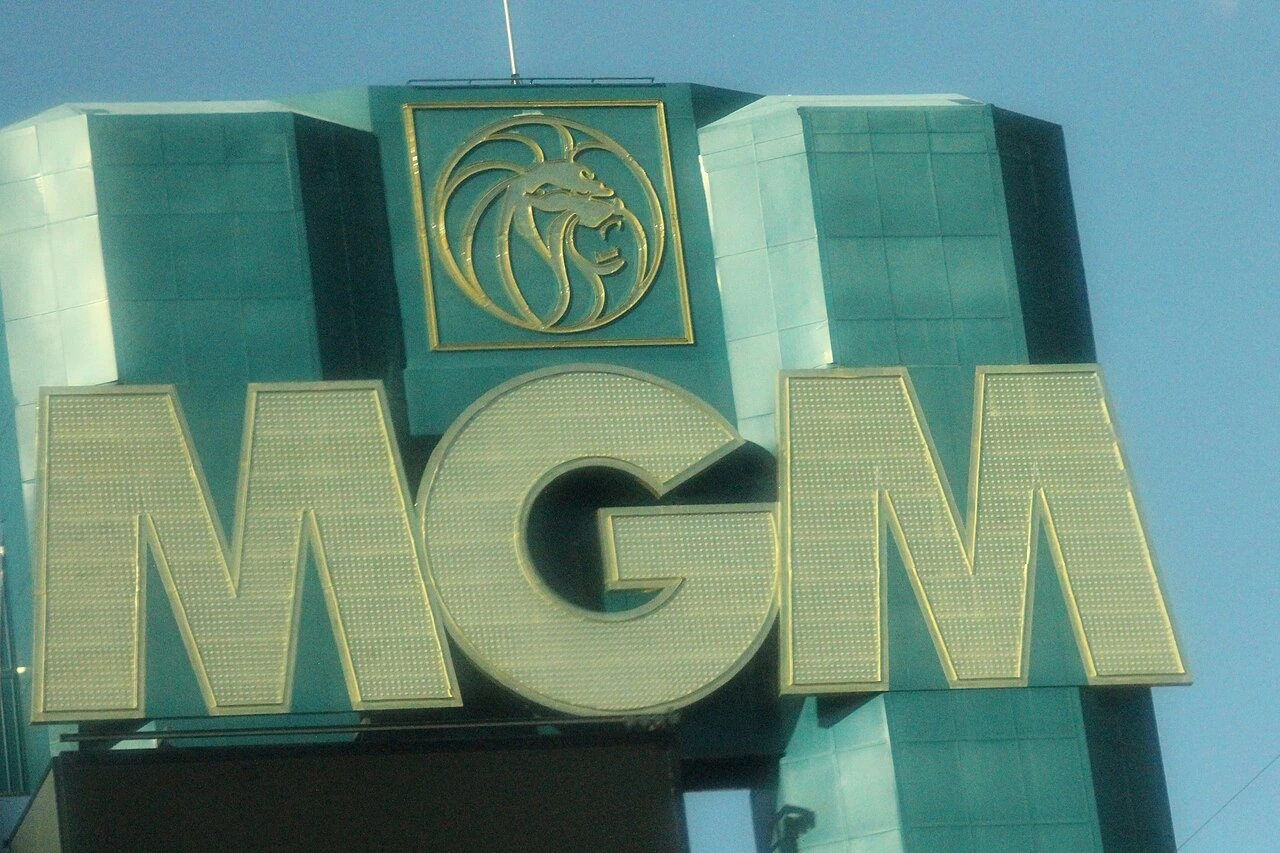
On September 7, 1996, after the Tyson fight, Tupac and his entourage beat up Orlando “Baby Lane” Anderson of the Southside Compton Crips in the lobby of the MGM Grand. A few hours later, shots were fired at Suge Knight’s BMW at the intersection of Flamingo Road and Koval Lane. Tupac died on September 13, 1996. The sequence of events is described in The 1996 Las Vegas Shooting.
Las Vegas police ran into silence. Knight said he had “heard something but saw nothing.” Informants in Compton named Anderson early on, but without witnesses willing to testify there was no charge. On May 29, 1998, Anderson died in a shooting in Compton. More on The Investigation and Orlando Anderson.
1998 to 2009: “We did the other one”
Anderson’s uncle, Duane Davis, first spoke to the FBI in 1998, during a cocaine trafficking case. At the time he said he had stayed at the Excalibur after the fight and that his nephew was not involved.
Ten years later it sounded different. In 2008 Davis was facing life in prison in a drug case. A task force led by LAPD detective Greg Kading actually wanted to solve the murder of The Notorious B.I.G. In a proffer session, a confidential interview in which a suspect offers investigators what he knows, Davis denied any role in that killing and then said: “We did the other one.” He said he had obtained the gun and passed it to the back seat. Anderson, he said, fired.
Davis also claimed back then that Sean Combs had offered money for the killing. Combs has always denied this and was never charged in the Shakur case. In a 2009 recording that prosecutors later quoted in their closing argument, Davis says: “He gave me the gun.” He was not charged at the time, partly because the proffer agreement was meant to protect his statements.
2011 to 2019: Davis tells the story himself
In 2011 Kading made the interviews public in his book Murder Rap. According to the prosecution, this angered Davis so much that from then on he wanted to tell the story himself.
In 2018 he appeared on the BET series Death Row Chronicles: he had been in the Cadillac, the shots came from the back seat, and the street code kept him from naming the shooter. In YouTube interviews he went further. That same year, Las Vegas police reopened the case. In 2019 his memoir Compton Street Legend came out. Prosecutor Marc DiGiacomo later said that without the book, Davis would probably never have been charged.
2023: The search and the arrest
On July 17, 2023, police searched a house in Henderson, outside Las Vegas, that belongs to Davis’ wife. According to Vibe, they took ammunition, computers, photos from the nineties and the book, among other things (report from July 17, 2023).
On September 29, 2023, Davis was arrested. A grand jury indicted him for murder with use of a deadly weapon, with an enhancement alleging the crime benefited a gang (report from September 29, 2023). Sekyiwa Shakur called it a “turning point” (reactions). After a first hearing on October 4 (report), Davis pleaded not guilty on November 2; the death penalty was off the table (report from November 2, 2023). In December his lawyers argued that his earlier accounts had been mere “entertainment” (report from December 19, 2023).
2024 and 2025: Bail, lawyers, delays
Almost three years passed between the arrest and the trial. In January 2024 Judge Carli Kierny set bail at $750,000 (report), but Davis was never released: in June and again in August 2024 she doubted where the money came from (June, August). Davis switched to attorney Carl Arnold (report), and the trial kept slipping back from June 2024.
In January 2025 Kierny denied the motion to dismiss the charge over the 2008 agreements (report from January 21, 2025); in July the defense turned to the Nevada Supreme Court (report). In March 2025 Davis said in his first TV interview that he was innocent (report). Over a jailhouse fight he was sentenced in September 2025 to 16 to 40 months (report). In November 2025 came the last postponement, to August 2026 (report).
2026: Setting the course
The decisive rulings came before the trial. In February 2026 the evidence from the nighttime search remained admissible (report). In March defense attorney Robert Draskovich withdrew (report), and Michael Sanft took over. In April Tupac’s family filed a civil suit against Davis (report). On June 30 Kierny admitted the book as evidence (report), and at the end of July the 2008 police interview as well (report). That made it clear: the trial would turn on Davis’ own words.
August 2026: Nine days of testimony
Jury selection began on August 10, and by August 13 the jury was seated (report). Opening statements followed on August 17 (report). The prosecution portrayed Davis as the man who gave the orders; the defense disputed that he was even in Las Vegas.
Jurors heard witnesses from the Death Row orbit (report), former investigators on Davis’ conflicting versions from 1998 and 2008 (report) and on his unproven claim about Combs (report). They saw unedited interview footage and heard a jail recording in which Davis speaks of having blood on his money (report). On August 25, E.D.I. Mean of the Outlawz, who rode in the car behind Tupac, testified (report). After 24 witnesses the prosecution rested (report); the defense needed less than two hours for three witnesses. Davis did not testify (report).
The verdict on August 31
After just under three hours of deliberation, the jury found Davis guilty of first-degree murder with use of a deadly weapon on August 31, 2026; prosecutors had dropped the gang enhancement (report). The family said it was “elated and relieved” (report). Sanft announced an appeal (report), and Davis maintained his innocence in The Hollywood Reporter (report). Soon afterwards a documentary about the trial was announced (report).
October 13: 40 years to life
On October 13, 2026, Judge Kierny announced the sentence: two consecutive terms of 20 years to life each, 40 years to life in total. Parole is possible after 40 years at the earliest. “It took us 30 years,” Kierny said, “but at this time, you are going to face justice for what you did on September 7, 1996.” Sekyiwa Shakur and Mopreme Shakur had asked for the maximum. Davis declined to make a final statement (report from October 13).
What remains open
Davis is the only person ever charged with and convicted of Tupac’s murder. According to the verdict, he planned the attack and obtained the gun. The court did not have to decide who pulled the trigger: in 2008 Davis named Anderson, while a grand jury witness in 2023 named DeAndre Smith. Both are dead. Prosecutors say they are not currently planning further charges, because the evidence is lacking.
The verdict is not final, and an appeal has been announced. All details on the proceedings are on The Trial of Duane “Keffe D” Davis, and on the convicted man on Duane “Keffe D” Davis.
In 1996 nobody wanted to have seen anything. That there is a verdict after 30 years is down to the man who could not stop talking about it.
Duane "Keffe D" DavisOrlando "Baby Lane" AndersonGreg KadingSekyiwa ShakurMopreme ShakurSuge Knight