Background · 2Pacalypse Now
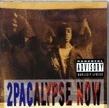
In November 1991, most listeners knew Tupac Shakur, if at all, as a dancer and guest rapper with Digital Underground. Then 2Pacalypse Now came out. On it, a 20-year-old rapped about police brutality, poverty and teenage pregnancy so bluntly that the White House would soon take notice. The debut was no hit, but it made him a topic of national debate.
A year in a studio north of Oakland
Tupac had joined Digital Underground through Shock G in 1990. He made his first appearance on record on the group's This Is an EP Release. At the same time he was cutting his own songs with the production circle around the band, which called itself The Underground Railroad. Manager Atron Gregory placed the project with Interscope. The label was young then and deliberately backed confrontational rap.
The songs were recorded over the course of a year at Starlight Sound in Richmond, just north of Oakland. The sound stayed close to the funk of the Bay Area at the time, the region around San Francisco Bay: hard drums, funk samples, very little polish. Samples are snippets of other recordings, cut up and reassembled. Either way, the weight of the album rested on the lyrics.
Dispatches from the neighborhood
Trapped captures what it felt like to be a young Black man in Oakland, constantly stopped by the police and locked up. Brenda's Got a Baby tells, over three verses, the story of a 12-year-old girl who has a child and ends up on the street. Tupac said the song was based on a newspaper report.
Soulja's Story and I Don't Give a Fuck are angrier, aimed squarely at the police and the state. Words of Wisdom and Part Time Mutha already show the blend of indictment, self-assertion and social reportage that would define his later albums.
Brenda went furthest
The singles were Trapped (September 1991), Brenda's Got a Baby and If My Homie Calls. The most successful was Brenda's Got a Baby, which reached No. 23 on the R&B/Hip-Hop singles chart and No. 3 on the rap chart.
A vice president against a rap album
In April 1992, 19-year-old Ronald Ray Howard shot and killed a state trooper in Texas. His defense argued that the album had influenced him and that a tape of 2Pacalypse Now had been playing in the car.
Vice President Dan Quayle seized on the case, saying there was no reason for a record like this to be released. The controversy made Tupac a national name before he had a real hit. The trooper's widow later sued him in civil court, and the suit did not succeed.
Gold, in its fourth year
Commercially the debut was a slow burner. It only reached No. 64 on the Billboard 200 but kept selling for years. In April 1995 it was certified gold for 500,000 copies, and by then Tupac was a star.
AllMusic gave it three and a half stars out of five, the British magazine Q four. Critics tend to praise the seriousness of the writing and find the production fairly forgettable.
It's all there, only rawer
In hindsight 2Pacalypse Now is the most overtly political album of his career. Many of the themes he would later turn into hits are already here: the mother figure, violence in the neighborhood, deep distrust of police and courts. They sound rawer, and they come without the big hooks of the years to come.
So the 20-year-old from Oakland had already found his subjects. What he still lacked were the hits.