410 words · 2 min
Tupac Shakur: Thug Immortal (1997)
One of the first video documentaries after Tupac's death (1997): home videos and interviews with friends, from Digital Underground to the night in Las Vegas.
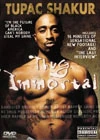
- Title
- Tupac Shakur: Thug Immortal, on some editions Thug Immortal: The Tupac Shakur Story
- Year
- 1997 (library catalogs, film databases); DVD editions from 2001/2002
- Director
- George Tan (according to the Kanopy and Hoopla library catalog records); produced by All Channel Films
- Running time
- about 86 to 91 minutes, depending on the edition
- Editions
- in the US, among others, in 2001 from Sunset Home Visual Entertainment/Xenon and from Lighthouse; later also as a UK DVD
- Language
- English; rated 16 in Germany
After Tupac’s death in September 1996, small video companies quickly put out a whole series of films about him. Thug Immortal was among the first; film databases date it to 1997. It promised a look behind the media image: a rapper who grew up a “thug” but was growing tired of that life.
Facts and figures
The DVD included new interviews, scene selection and previews of other titles from the same company, such as Welcome to Death Row and a release about Snoop Dogg’s group Tha Eastsidaz.
What it covers
The film draws on home videos, interview clips with Tupac and conversations with friends and relatives. It covers the familiar milestones: his roots as the son of a Black Panther activist, the years with Digital Underground, the turn to harder rap, Death Row and the East Coast-West Coast feud. According to the distributor’s description, it also deals with his views on women and sex.
The ten chapters set the course. They start with “Critical Condition” and end with “September 7, 1996”, the night of the shooting in Las Vegas. In between come sections such as “The Jungle”, “Going Hardcore”, “Being Real” and “Marin City Incident”.
Verdict
Thug Immortal is typical of its time: made quickly, with whatever material was available, and with big promises on the cover. The marketing copy promises, among other things, a story the media had never known. That deserves some distance. There is no record of any involvement by Tupac’s family or estate, and no director is even credited.
From everything known about it, the film is not unserious in the sense of conspiracy theories. It is more of an early keepsake for fans, interesting today mainly as a period piece: this is what the Tupac business looked like in the first year after his death.
For a carefully made documentary, Tupac: Resurrection or Thug Angel are better choices. The events in Las Vegas are covered on the page about the 1996 shooting.
People in this text