News of October 13, 2026
40 years to life: The sentence for Duane "Keffe D" Davis
Judge Carli Kierny sentences Duane "Keffe D" Davis to 40 years to life. Parole only after 40 years at the earliest; an appeal has been announced.
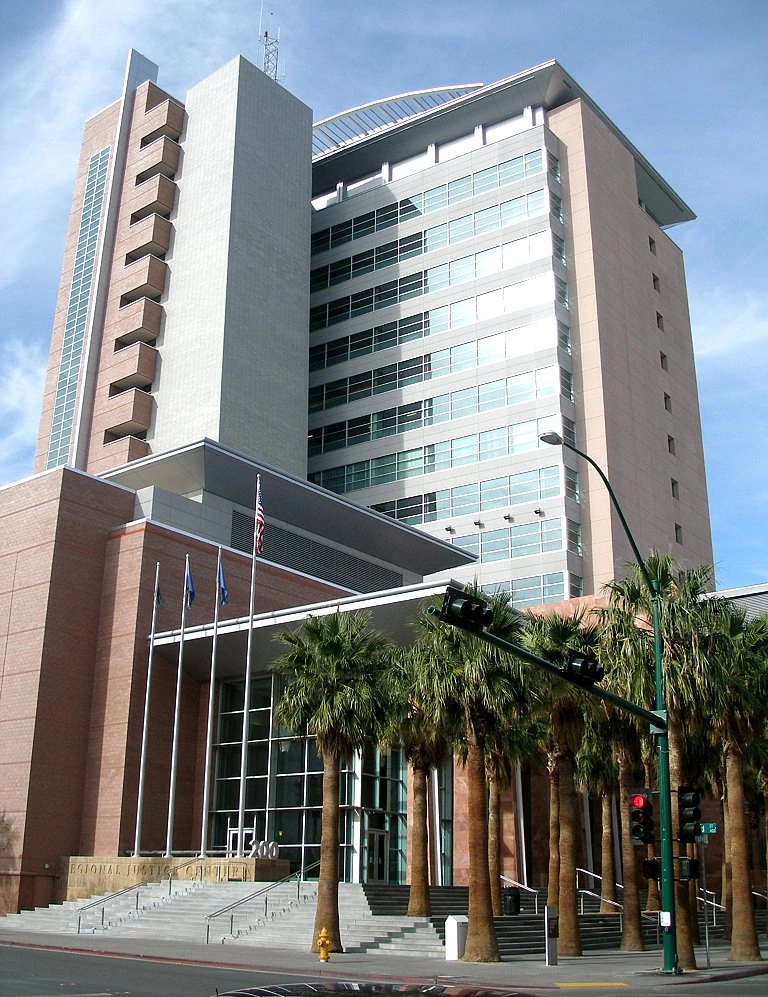
Duane “Keffe D” Davis did not want to make a final statement. “I’m good,” was all he said when Judge Carli Kierny gave him the floor on October 13, 2026, at the Regional Justice Center in Las Vegas. Shortly afterwards she announced the sentence: 40 years to life in prison for the murder of Tupac Shakur. Davis is 63. By CBC’s calculation, he could not be released until he is around 100.
A little over six weeks after the verdict, the Clark County District Court has thus set the punishment for the shooting of September 7, 1996. It is not final: Davis and his lawyer have announced an appeal.
Two sentences, served one after the other
The sentence consists of two consecutive terms of 20 years to life each. It rests on the verdict of August 31, 2026: after just under three hours of deliberation, the jury found Davis guilty of first-degree murder with use of a deadly weapon. Prosecutors had dropped the enhancement alleging the crime benefited a gang (report from August 31).
Parole is possible after 40 years in prison at the earliest. He is credited with 731 days already spent in custody, Las Vegas station KTNV reported. For a 63-year-old, that means that unless the appeal changes something, he is unlikely ever to leave prison.
“You don’t get to take a man from his family”
Kierny had already presided over the trial. When announcing the sentence, she addressed Davis directly. “You don’t get to take a man from his family,” she said. And: “It took us 30 years, but at this time, you are going to face justice for what you did on September 7, 1996.”
The family asks for the maximum
Tupac’s relatives spoke before the decision. His sister Sekyiwa “Set” Shakur, who had wept at the verdict in August, described her brother as “born an icon” and as “a father figure to me.” Davis, she said, deserved “every minute” of the maximum amount of punishment.
Tupac’s stepbrother Maurice “Mopreme” Shakur kept it shorter: “So, the longest sentence possible, your honor.”
The prosecution: arrogance as his downfall
Prosecutor Marc DiGiacomo asked for “the maximum possible sentence.” Davis, he said, was “guaranteed to die” behind bars.
Chief deputy district attorney Binu Palal reminded the court who Tupac was to his family: “a brother, a son, a cousin.” For years the relatives had had to watch Davis brag. That arrogance, Palal said, was “ultimately his undoing.” He returned to the picture painted at trial: after his nephew Orlando Anderson was beaten up at the MGM Grand, Davis went “hunting.”
District Attorney Steve Wolfson said afterwards: “Today, justice has been served for Tupac Shakur and his loved ones.” His office is not currently planning charges against anyone else, he added, because the evidence is lacking.
The defense: nothing but his own words
Defense attorney Michael Sanft stuck to the line he had argued before the jury. Apart from Davis’ own statements, nothing shows that his client was even in Las Vegas that night. There are no videos and no phone records.
Sanft and Davis announced an appeal. Among other things they want to challenge the use of the statements from the 2008 agreement. That is the so-called proffer agreement, a deal meant to keep statements made in a confidential interview with investigators from being used against the speaker. Kierny had admitted those recordings in July 2026 (report from July 29). An appeal could only be filed after sentencing; in September Sanft estimated it could take up to a year to get a decision (report from September 2).
Davis wants his photos back
Davis himself said little in court. Instead of a final statement he had just one request: he asked for the return of the property seized in the July 2023 search in Henderson, including photos (report from July 17, 2023).
After the verdict he had maintained his innocence in The Hollywood Reporter, saying he was not in Las Vegas on the night of the shooting (report from September 5). No court has tested that version.
The only person ever convicted
Davis is the only person ever charged with and convicted of Tupac’s murder. According to the prosecution and the verdict, he did not fire the shots himself. He obtained the gun and planned the attack. By Davis’ own account, the shooter was his nephew Orlando “Baby Lane” Anderson, who died in 1998. The two other men in the white Cadillac are dead as well; Davis was the last one alive.
Tupac was shot at the intersection of Flamingo Road and Koval Lane and died on September 13, 1996. The road from that night to the sentencing is traced in the look back at the “Keffe D” case. The trial is covered on The Trial of Duane “Keffe D” Davis, the defendant on Duane “Keffe D” Davis, and the background on The Investigation.
More than 30 years after the shooting, there is now a sentence. Whether it stands will be decided on appeal.
Duane "Keffe D" DavisSekyiwa ShakurMopreme ShakurOrlando "Baby Lane" Anderson