444 words · 2 min
Tupac Shakur: Before I Wake… (2001)
2001 documentary on Tupac's final year as seen by his bodyguard Frank Alexander, with 1996 studio footage and the night in Las Vegas.
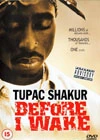
- Director
- Sean Long
- Production
- SepiaTone Entertainment, with Frank Alexander as co-producer
- Year
- 2001, released on video and DVD
- Running time
- about 100 to 104 minutes, depending on the version
- Language
- English
In late 1995 Tupac Shakur was released on bail and signed with Death Row Records. From then on, Frank Alexander, a former Marine turned professional bodyguard, was his main protection, right up to the night of September 7, 1996, in Las Vegas, when Alexander was on duty. Before I Wake… tells the story of that last year through his eyes.
Facts and figures
The DVD included a trailer, a filmmakers’ commentary and a photo gallery with more than 50 images from Alexander’s personal collection.
What it covers
Alexander’s memories carry the film. He describes how he experienced Tupac day to day, in the studio, on the road, at shows, and how things around Death Row grew more tense. Alongside this, the film shows studio footage of Tupac working on songs and other material that had not been seen before.
Other voices include Russell Simmons, the Reverend Jesse Jackson, journalist Cathy Scott, author of The Killing of Tupac Shakur, and Las Vegas police detective Brent Becker. Eazy-E also appears. He had died in March 1995, so his comments come from earlier footage, not from an interview recorded for this film.
Alexander chose the title from the children’s prayer “Now I Lay Me Down to Sleep”: Tupac died before he had fully “woken up”. In Alexander’s view, he was on the verge of taking a new, more positive direction.
Verdict
Before I Wake… is an eyewitness film, not an investigation. Its strength is proximity: hardly anyone saw Tupac up close as often in 1996 as Alexander did. Its weakness is the same proximity. Alexander was responsible for Tupac’s safety on the night of the shooting but was not in the same car, and he later faced criticism. Reggie Wright Jr., Death Row’s head of security at the time, accused him of failing to protect Tupac that night. So the film is also, in part, the narrator’s defense.
The promotional copy sold it as a portrait of Tupac’s generosity and compassion at a time of growing danger, and the film delivers on that. Critical questions about Death Row or the investigators stay mostly on the margins. It does not turn speculative, and it does not push a theory of the murder.
Further reading and viewing
Alexander had already set down his memories in 1998 in the book Got Your Back. In 2007 he co-produced the far more pointed Tupac Assassination with Richard Bond. For the events of that night, see the 1996 shooting.
People in this text